The Quiet Language of Ouyao Ceramics
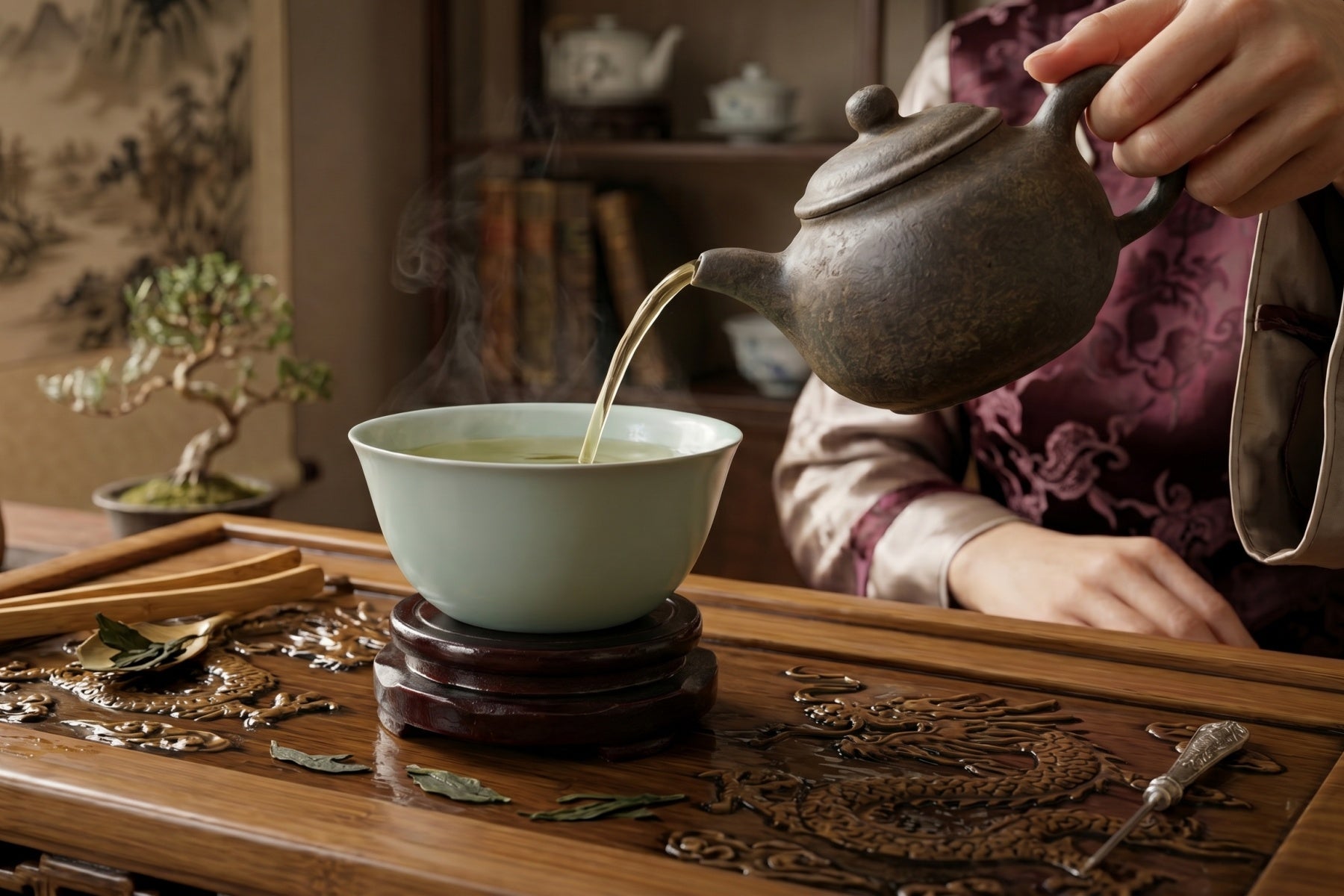
For centuries, the kilns of Ouyao have produced ceramics defined not by excess, but by restraint — quiet forms, mineral depth, and surfaces transformed through fire.
Unlike industrial ceramics, no two Ouyao vessels emerge exactly alike. Flame, ash, clay, and atmosphere interact unpredictably during firing, leaving behind subtle variations in tone, texture, and surface.
These irregularities are not imperfections.
They are the memory of the kiln.
Today, we continue within this tradition through small-batch handcrafted vessels designed for tea, flowers, and contemplative interiors. Objects made not only for use, but for presence.
Why Handmade Ceramics Feel Different
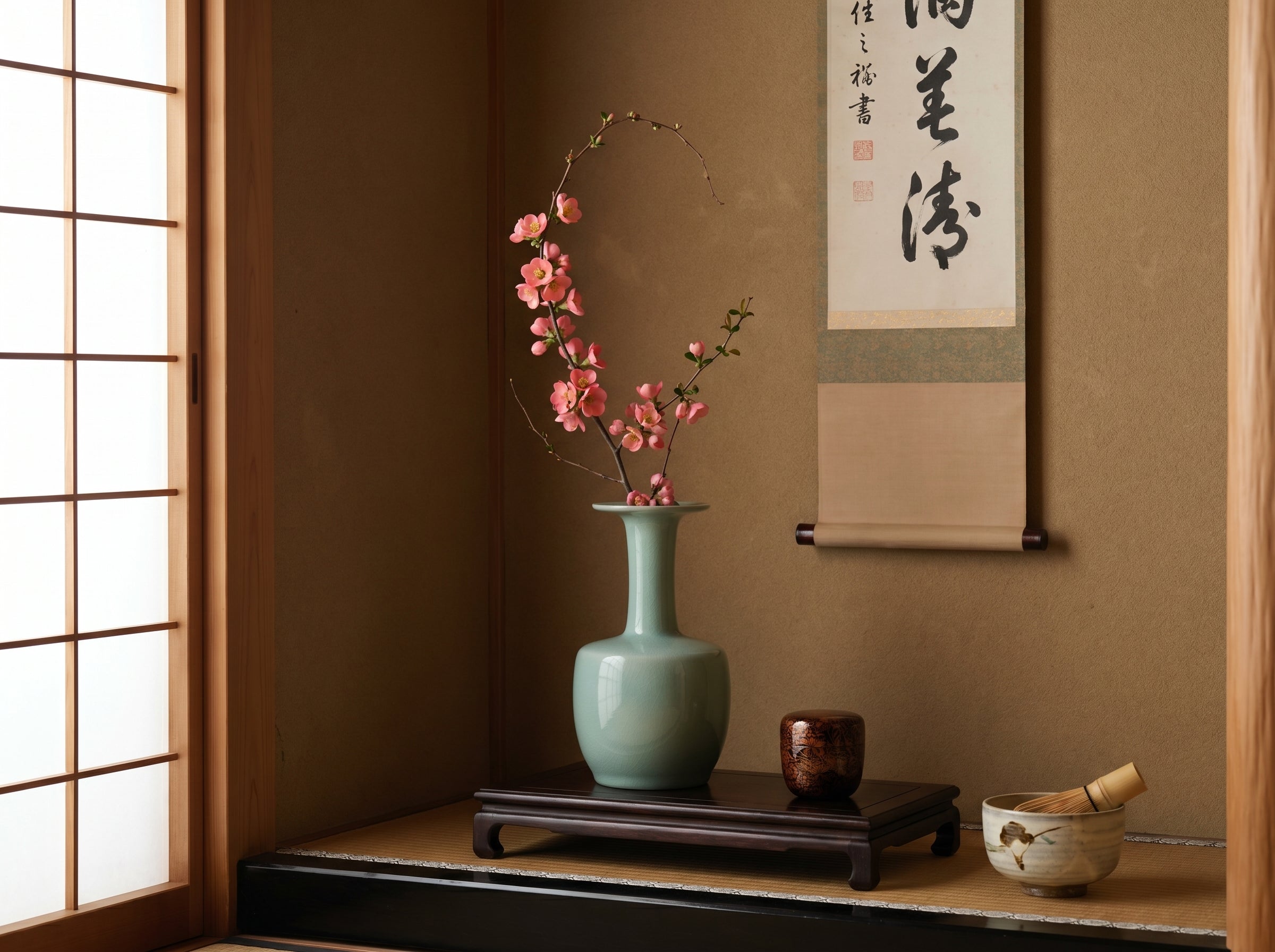
A handmade vessel carries a different kind of presence.
The slight asymmetry of the rim.
The subtle tonal shift in the glaze.
The texture left by clay and fire.
These details cannot be fully repeated — and that is precisely what gives handmade ceramics their depth.
In a world shaped by uniform production, handcrafted objects reconnect us with material, process, and time. They slow the atmosphere of a room and bring warmth into daily rituals.
Whether used for tea, flowers, or simply placed within a space, ceramic vessels become part of the rhythm of living.
The Beauty of Kiln Variations
Fire is never entirely controllable.
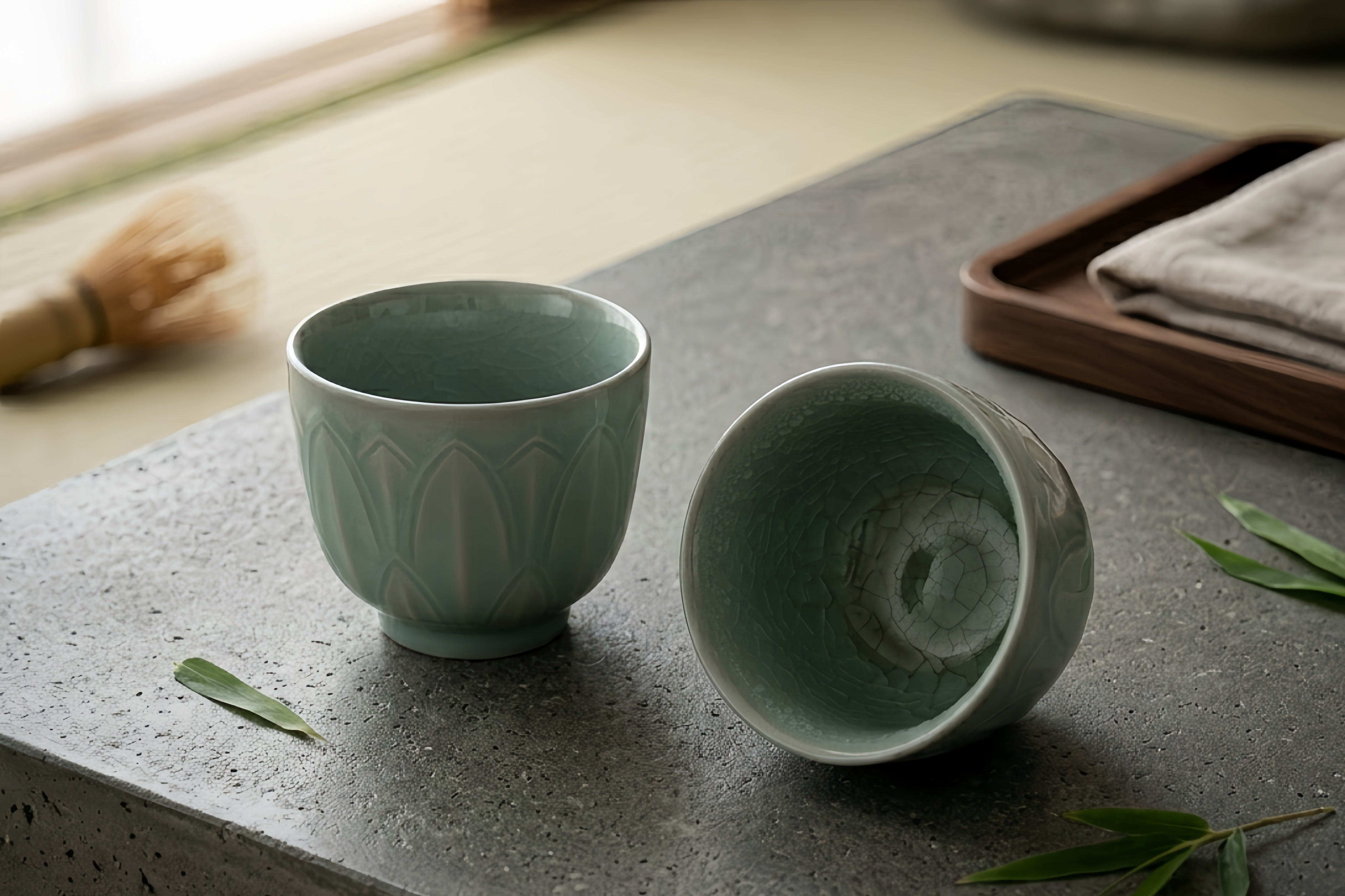
Within the kiln, temperature, airflow, ash, and mineral content continuously shift throughout the firing process. These changes create unexpected textures and tonal variations across every ceramic surface.
In Ouyao traditions, these traces are valued because they reveal the interaction between material and flame.
A darker edge.
A soft ash marking.
A subtle gradient within the glaze.
These details give each vessel individuality and quiet depth — qualities impossible to reproduce through industrial manufacturing.


The Quiet Language of Ouyao Ceramics
For centuries, the kilns of Ouyao have produced ceramics defined not by excess, but by restraint — quiet forms, mineral depth, and surfaces transformed through fire.
Unlike industrial ceramics, no two Ouyao vessels emerge exactly alike. Flame, ash, clay, and atmosphere interact unpredictably during firing, leaving behind subtle variations in tone, texture, and surface.
These irregularities are not imperfections.
They are the memory of the kiln.
Today, we continue within this tradition through small-batch handcrafted vessels designed for tea, flowers, and contemplative interiors. Objects made not only for use, but for presence.
Why Handmade Ceramics Feel Different
A handmade vessel carries a different kind of presence.
The slight asymmetry of the rim.
The subtle tonal shift in the glaze.
The texture left by clay and fire.
These details cannot be fully repeated — and that is precisely what gives handmade ceramics their depth.
In a world shaped by uniform production, handcrafted objects reconnect us with material, process, and time. They slow the atmosphere of a room and bring warmth into daily rituals.
Whether used for tea, flowers, or simply placed within a space, ceramic vessels become part of the rhythm of living.
The Beauty of Kiln Variations
Fire is never entirely controllable.
Within the kiln, temperature, airflow, ash, and mineral content continuously shift throughout the firing process. These changes create unexpected textures and tonal variations across every ceramic surface.
In Ouyao traditions, these traces are valued because they reveal the interaction between material and flame.
A darker edge.
A soft ash marking.
A subtle gradient within the glaze.
These details give each vessel individuality and quiet depth — qualities impossible to reproduce through industrial manufacturing.